KAD STEEL ROLLING MILLS understands that fake or low-grade stainless steel pipes are a serious concern in the market. SS 304 is one of the most demanded stainless steel grades, and because of its popularity, many suppliers sell inferior grades like 202 or mixed scrap material as 304.
Here is a professional guide from KAD STEEL ROLLING MILLS to help you identify genuine SS 304 pipes and avoid costly mistakes.

1. Verify the Mill Test Certificate (MTC)
Always request a Mill Test Certificate before purchasing SS 304 pipes.
A genuine MTC must include:
- Grade: ASTM A312 TP304 or equivalent
- Chemical composition details
- Heat number
- Mechanical properties
- Standard followed
- Manufacturer details
Standard Chemical Composition of SS 304
| Element | Required Range (%) |
|---|---|
| Chromium (Cr) | 18 – 20 |
| Nickel (Ni) | 8 – 10.5 |
| Carbon (C) | Max 0.08 |
| Manganese (Mn) | Max 2.0 |
| Silicon (Si) | Max 1.0 |
If Nickel content is below 8%, the material is not genuine SS 304.
KAD STEEL ROLLING MILLS always supplies material with proper certification and traceable heat numbers.
2. Use an XRF Analyzer (Most Accurate Method)
The most reliable way to verify stainless steel grade is by using an XRF (X-Ray Fluorescence) analyzer.
It instantly confirms:
- Nickel percentage
- Chromium content
- Presence or absence of molybdenum
Industrial buyers and EPC contractors often test material before approval. KAD STEEL ROLLING MILLS encourages third-party testing for complete transparency.
3. Check Magnetic Behavior
SS 304 is generally non-magnetic in annealed condition.
If the pipe strongly attracts a magnet:
- It could be SS 202
- It may contain low nickel
- It may not be original 304 grade
Note: Slight magnetism can occur due to cold working, but strong magnetism is a warning sign.
4. Compare Market Price
Nickel is an expensive metal. Genuine SS 304 contains 8–10.5% nickel.
If the price offered is significantly lower than market rate, it may indicate:
- Low nickel content
- Substituted grade like 202
- Mixed or recycled material
KAD STEEL ROLLING MILLS provides competitive pricing while maintaining proper chemical composition.
5. Inspect Surface Finish and Weld Quality
Visually inspect the pipe for:
- Rough surface
- Uneven wall thickness
- Poor weld seam
- Rust spots
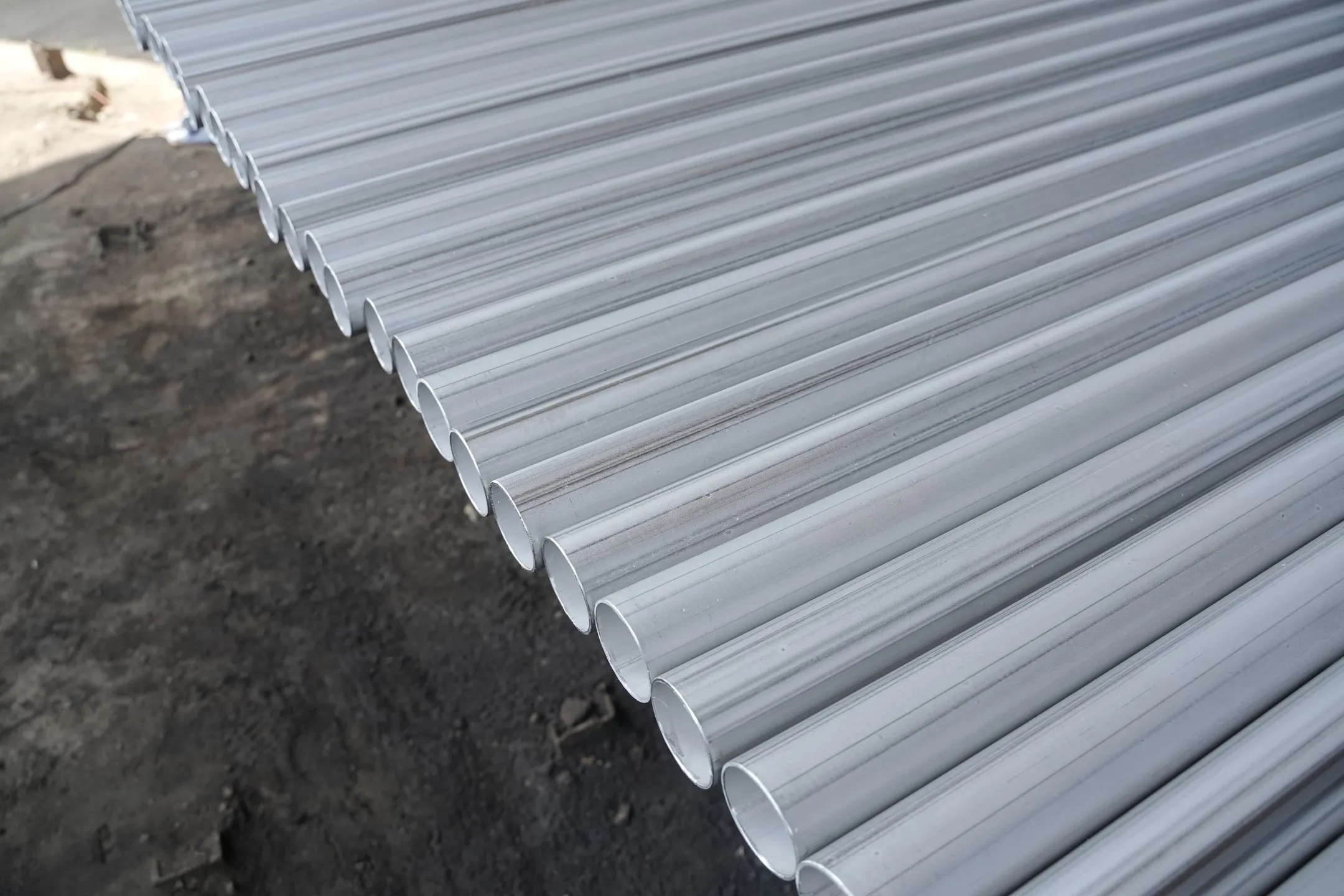
Original SS 304 pipes should have:
- Smooth and clean surface
- Uniform thickness
- Neat weld seam
- No corrosion under normal conditions
6. Check Weight and Wall Thickness
Fake pipes often have reduced wall thickness to cut cost.
Steps to verify:
- Measure outer diameter
- Measure wall thickness using caliper
- Compare with standard weight chart
If actual weight is lower than standard, the pipe may not meet specifications.
7. Perform Basic Spark Test
Spark testing gives a rough idea of material type.
- SS 304 produces minimal sparks
- Carbon steel produces bright yellow sparks
- SS 202 produces different spark patterns
This method is basic and not fully reliable, but useful for quick inspection.
8. Check Pipe Marking
Authentic SS 304 pipes should have clear marking including:
- ASTM A312 TP304
- Nominal size
- Schedule
- Heat number
- Manufacturer name
Unclear or missing marking is a risk factor.
9. Corrosion Resistance Test
Expose a small sample to salt water for 24–48 hours.
- Genuine SS 304 resists rust formation
- Low-grade material may show rust spots
This is a simple but effective field test.
Why Buying from KAD STEEL ROLLING MILLS Reduces Risk
KAD STEEL ROLLING MILLS follows strict quality control procedures:
- Verified raw material sourcing
- Proper heat number traceability
- Mill Test Certificate with every supply
- Dimensional inspection
- Chemical composition verification
- Transparent pricing
When you purchase from KAD STEEL ROLLING MILLS, you reduce the risk of fake or downgraded stainless steel pipes.
Quick Checklist to Identify Fake SS 304 Pipe
- Nickel content below 8%
- Strong magnetic attraction
- Price much lower than market
- No Mill Test Certificate
- Poor surface finish
- Incorrect or missing marking
If two or more of these signs appear, the pipe may not be genuine SS 304.
Final Advice from KAD STEEL ROLLING MILLS
Using fake SS 304 pipes can lead to:
- Corrosion failure
- Leakage issues
- Project rejection
- Structural damage
- Financial losses
Always verify certification and chemical composition before bulk purchase. For industrial projects, XRF testing is highly recommended.
If you need genuine SS 304 ERW pipes with proper documentation and competitive pricing, contact KAD STEEL ROLLING MILLS for reliable supply and technical support.
