Stainless Steel WELDED PIPES
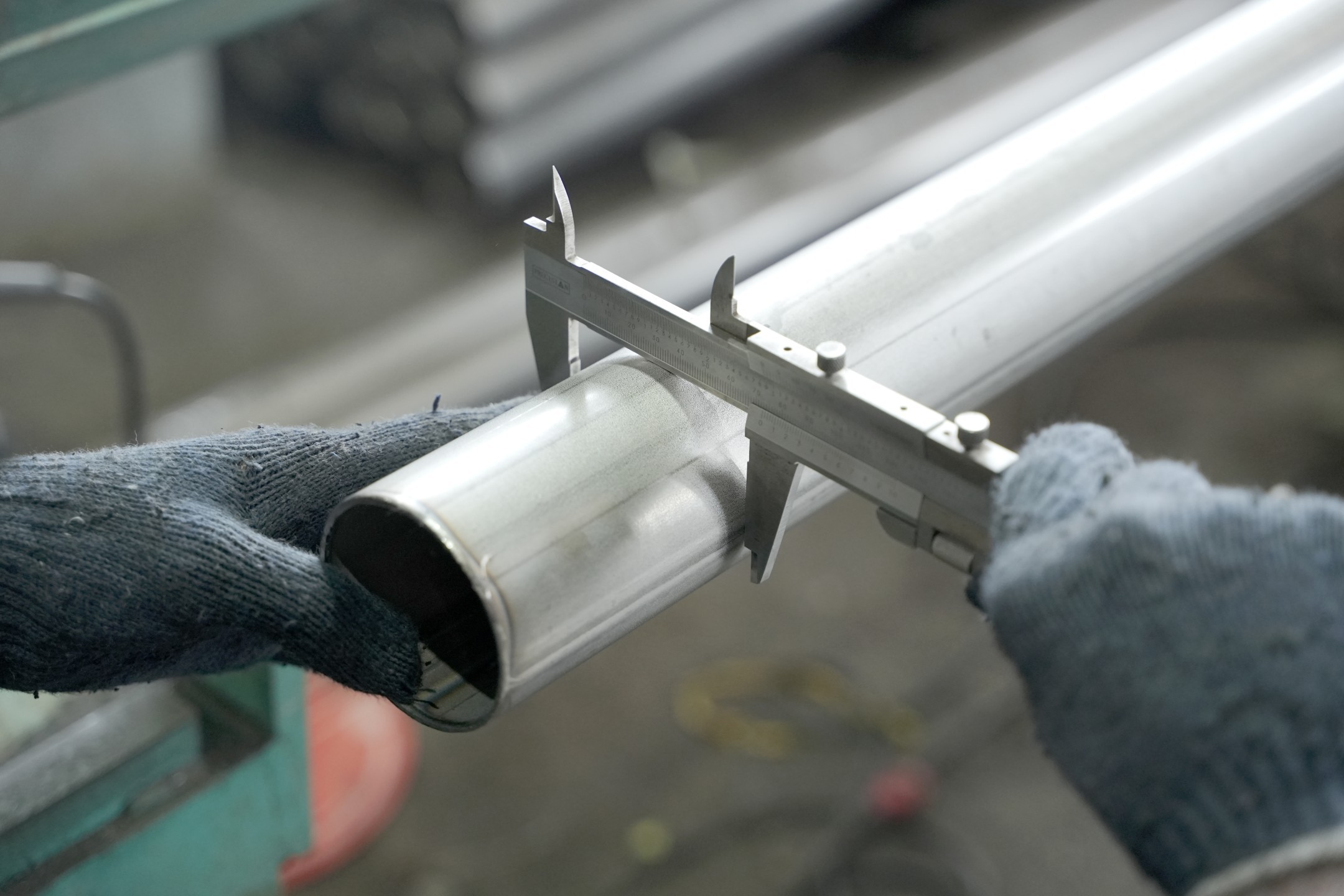
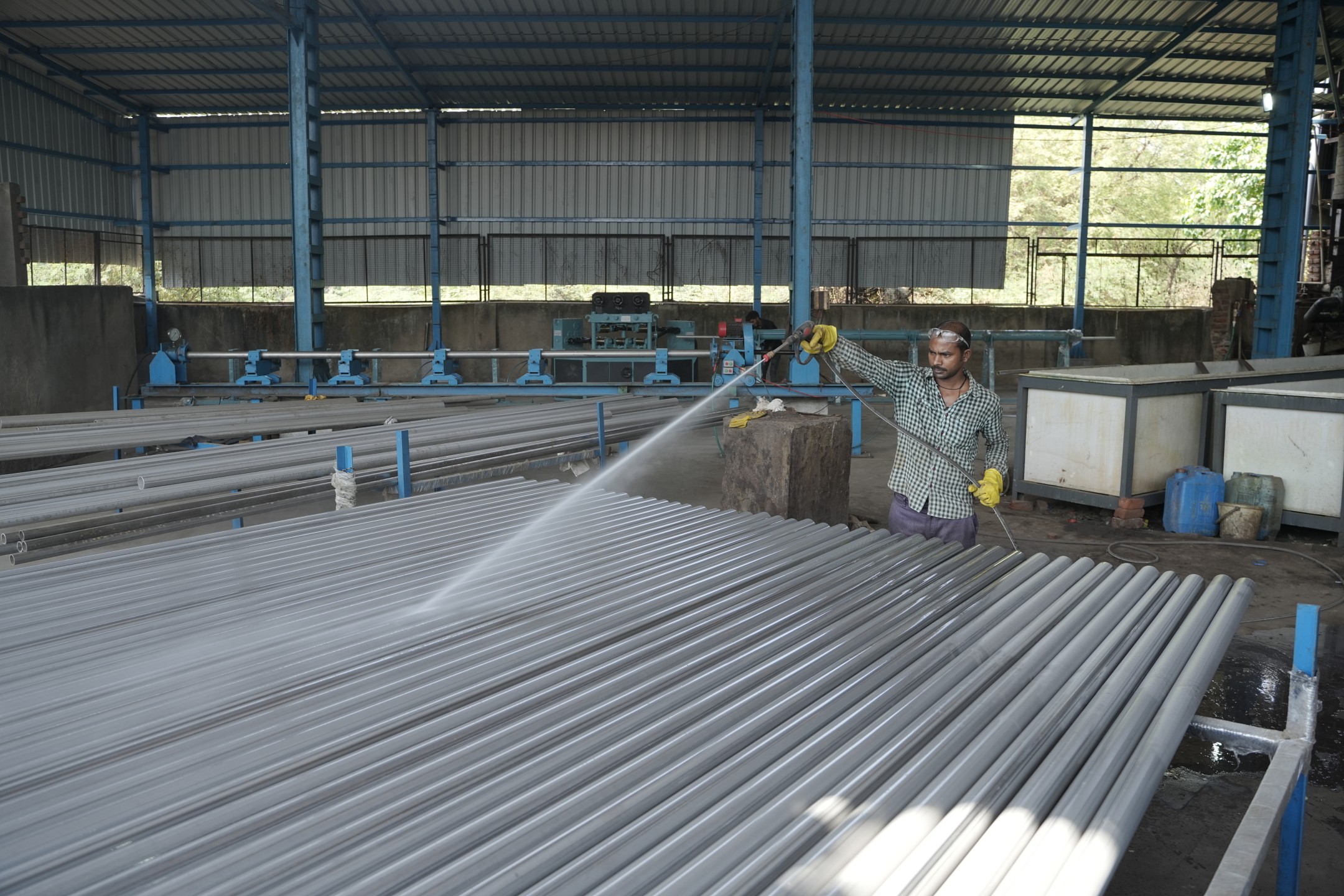

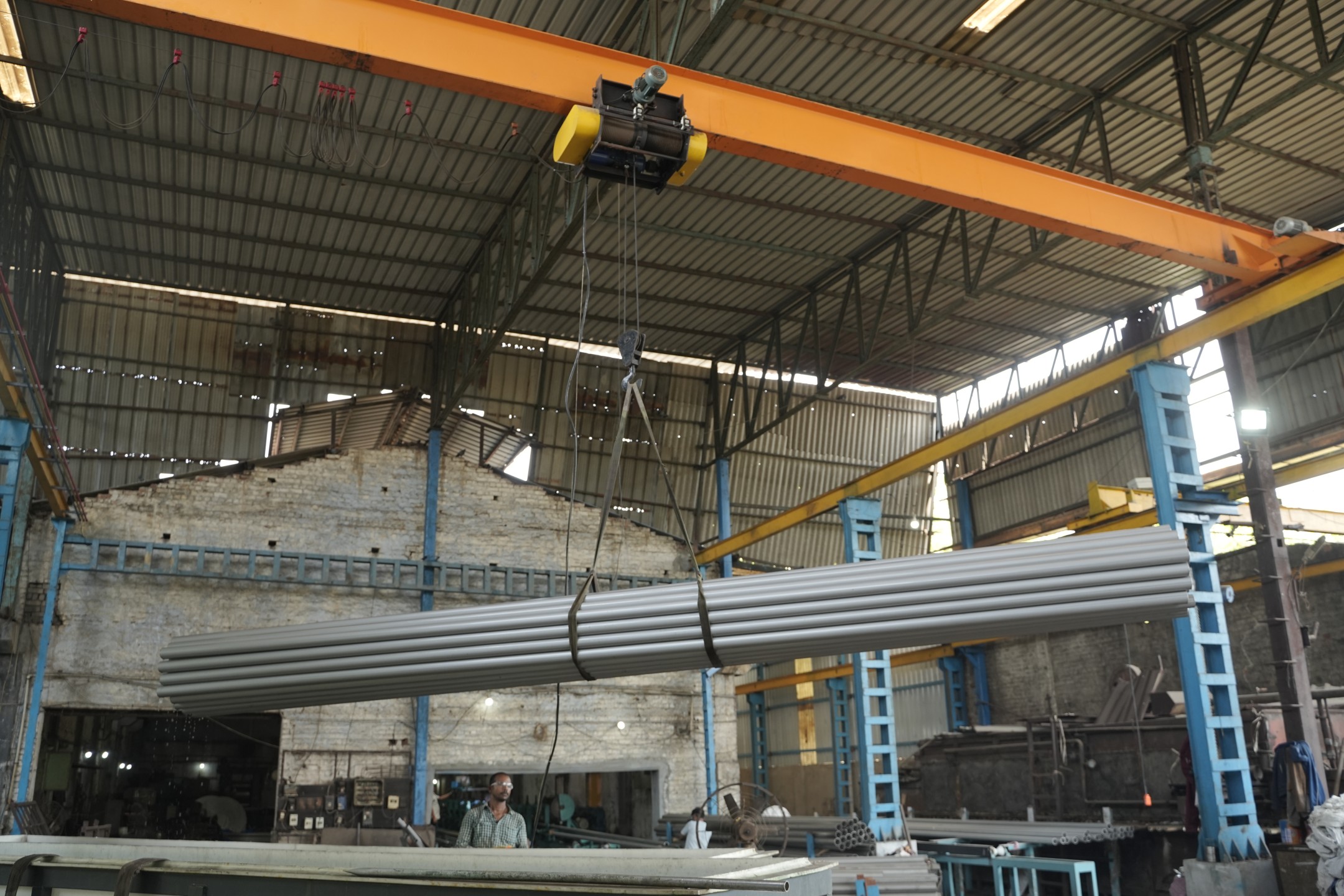

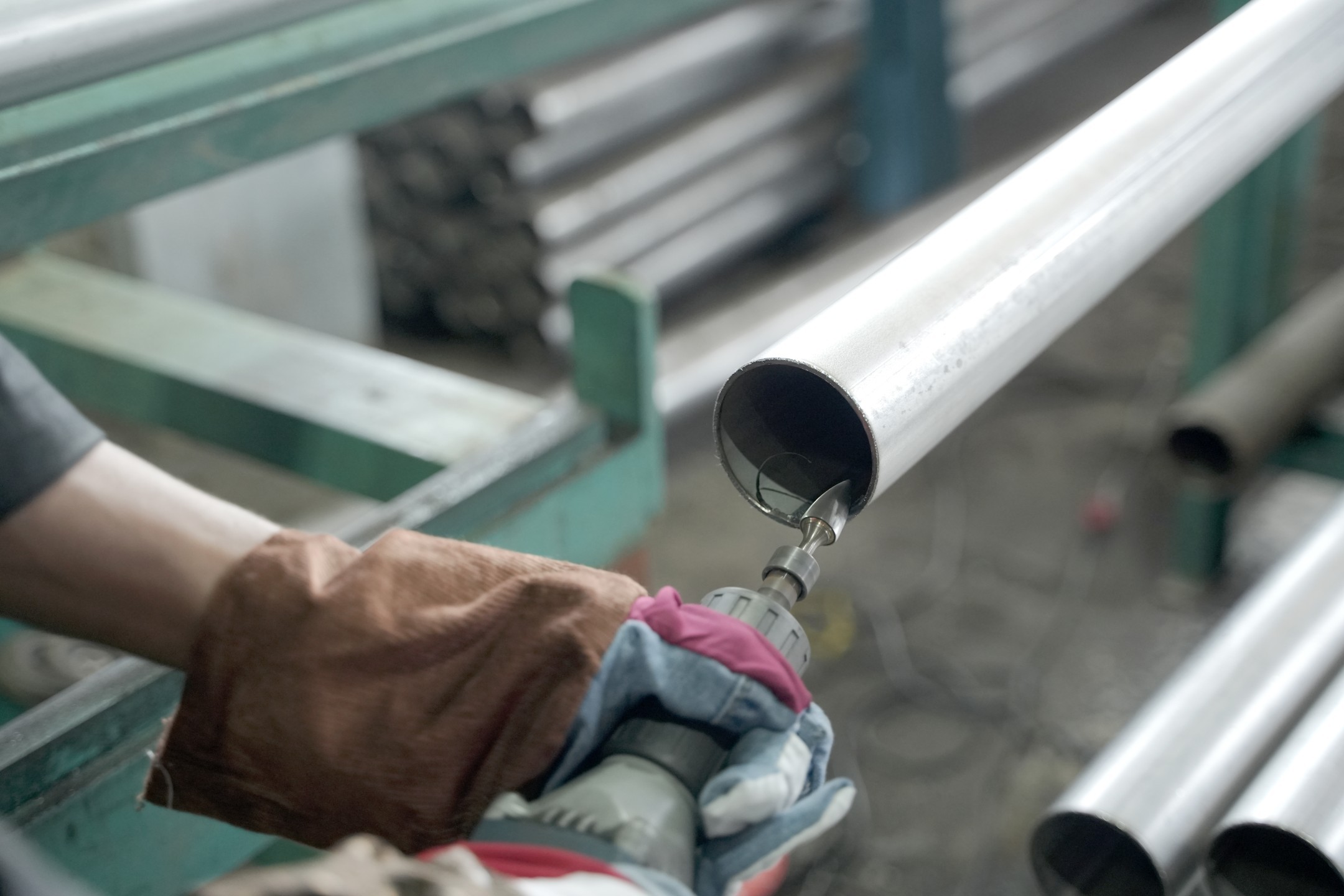
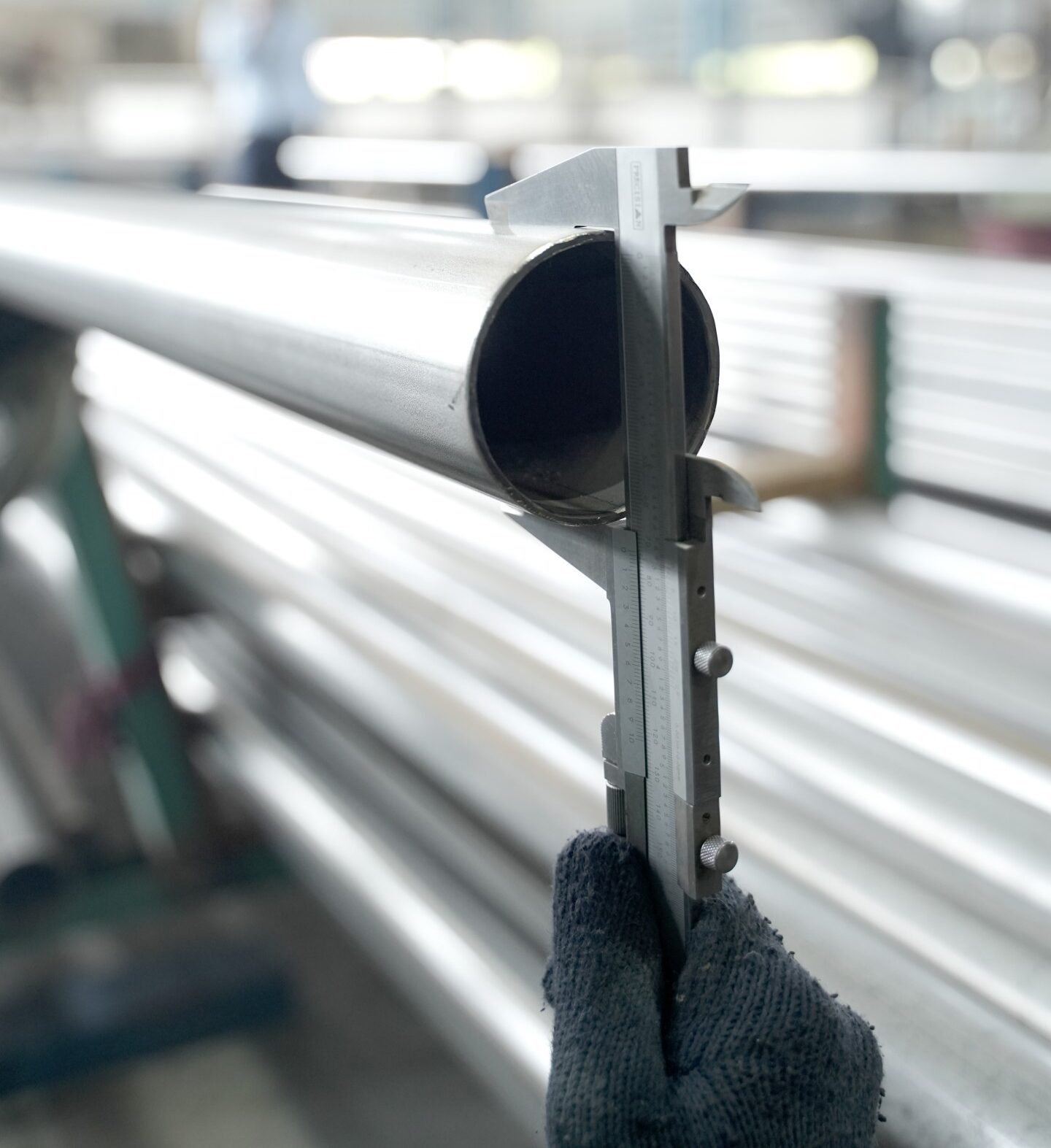
Welded Stainless Steel Pipes are pipes made by bending stainless steel plates or coils into a round shape and joining the edges through welding. They are manufactured according to standards like ASME/ASTM A249, A269, A312, and EN 10217-7. These pipes offer good strength, corrosion resistance, and smooth surface finishes such as Pickled or 2B. They are available in sizes ranging from 21.3 mm to 219.1 mm outer diameter and in grades like 304, 304L, 316, and 316L.
TECHNICAL DETAILS:
| Specification | Details |
|---|---|
| Product Type | Welded Stainless Steel Pipes & Tubes |
| Standards | ASME/ASTM A249, A269, A312, EN 10217-7 (Equivalent to EN & DIN Standards) |
| Outer Diameter (O.D) | 21.3 mm to 219.1 mm |
| Nominal Bore (N.B) | 1/2″ NB to 8″ NB |
| Wall Thickness | 0.90 mm to 8 mm (SCH 5S, SCH 10S, SCH 20, SCH 40S) |
| Length | Up to 6 meters |
| Process Features | Gas Annealed, Pickled & Passivated |
| Surface Finish | Pickled, 2B |
| Material Grades | 304, 304L, 316, 316L Stainless Steel |
ADVANTAGES:
High Strength and Durability: Withstands pressure and stress for long-lasting use.
Corrosion Resistance: Grades 304 and 316 prevent rust in harsh conditions.
Versatility in Sizes: Offered in various sizes to fit different projects.
Enhanced Surface Finish: Smooth, easy-to-clean finish with a clean look.
Heat Resistance: Reliable performance even at high temperatures.
APPLICATIONS:
- Oil & Gas Industry
Chemical Processing
Food & Beverage
Pharmaceuticals
Heat Exchangers
Water Treatment
Power Plants
Structural & Fabrication
MANUFACURING PROCESS
Forming method (Roll formed from coil/plate)
Welding type (ERW / TIG / Longitudinal welded)
Solution annealing
Pickling & passivation
Weld seam finishing
TESTING & QUALITY CONTROL
Hydrostatic Test
Eddy Current Test
PMI Testing
Visual & Dimensional Inspection
Mill Test Certificate (MTC 3.1)
Third-Party Inspection (TPI)
MECHANICAL PROPERTIES
| Grade | Tensile Strength (Min) | Yield Strength (Min) | Elongation (Min) | Hardness (Max) |
|---|---|---|---|---|
| 304 | 515 MPa | 205 MPa | 40% | 201 HB |
| 304L | 485 MPa | 170 MPa | 40% | 201 HB |
| 316 | 515 MPa | 205 MPa | 40% | 217 HB |
| 316L | 485 MPa | 170 MPa | 40% | 217 HB |
- Tensile Strength – Maximum stress the pipe can withstand before breaking.
Yield Strength – Stress at which material begins to deform permanently.
Elongation – Indicates ductility (ability to stretch before fracture).
Hardness (HB) – Resistance to surface indentation.
CERTIFICATIONS & COMPLIANCE
Our Welded Stainless Steel Pipes are manufactured and supplied in compliance with international quality and regulatory standards to ensure reliability, safety, and performance in critical applications.
Manufactured under an ISO 9001 certified Quality Management System to ensure consistent production standards and complete product traceability.
Available in compliance with the Pressure Equipment Directive (PED 2014/68/EU) for use in European pressure applications.
Supplied with CE marking where applicable, confirming conformity with relevant European health, safety, and environmental protection requirements.
Indian Boiler Regulation (IBR) certification available for use in boiler and high-pressure applications in India.
Frequently Asked Questions (FAQs)
1. How are welded stainless steel pipes tested before dispatch?
Pipes are typically tested through hydrostatic testing, eddy current testing, visual inspection, and dimensional checks to ensure quality and performance standards are met.
2. Are welded stainless steel pipes suitable for corrosive environments?
Yes, especially in grades like 316 and 316L, which offer excellent resistance to corrosion in marine, chemical, and high-moisture environments.
3. Can welded stainless steel pipes be used for fabrication and structural applications?
Yes, they are widely used for fabrication, structural frameworks, railings, and industrial installations due to their strength and smooth finish.
4. Do welded pipes require special maintenance?
Stainless steel pipes generally require minimal maintenance. Regular cleaning helps maintain surface appearance and corrosion resistance.
5. Are third-party inspections available?
Yes, third-party inspection can be arranged as per customer or project requirements.
6. Can the pipes be supplied for export projects?
Yes, pipes can be supplied with export packaging, proper marking, and required documentation for international shipments.
