Stainless steel (SS) pipes are widely recognized for their strength, durability, and corrosion resistance. However, customers and buyers often notice that some SS pipes feel lighter than others—even when they appear to be of similar size. This difference is not accidental; it stems from several technical and manufacturing factors. At KAD STEEL ROLLING MILLS, we believe in helping our customers understand these nuances so they can make informed decisions.
1. Variation in Wall Thickness
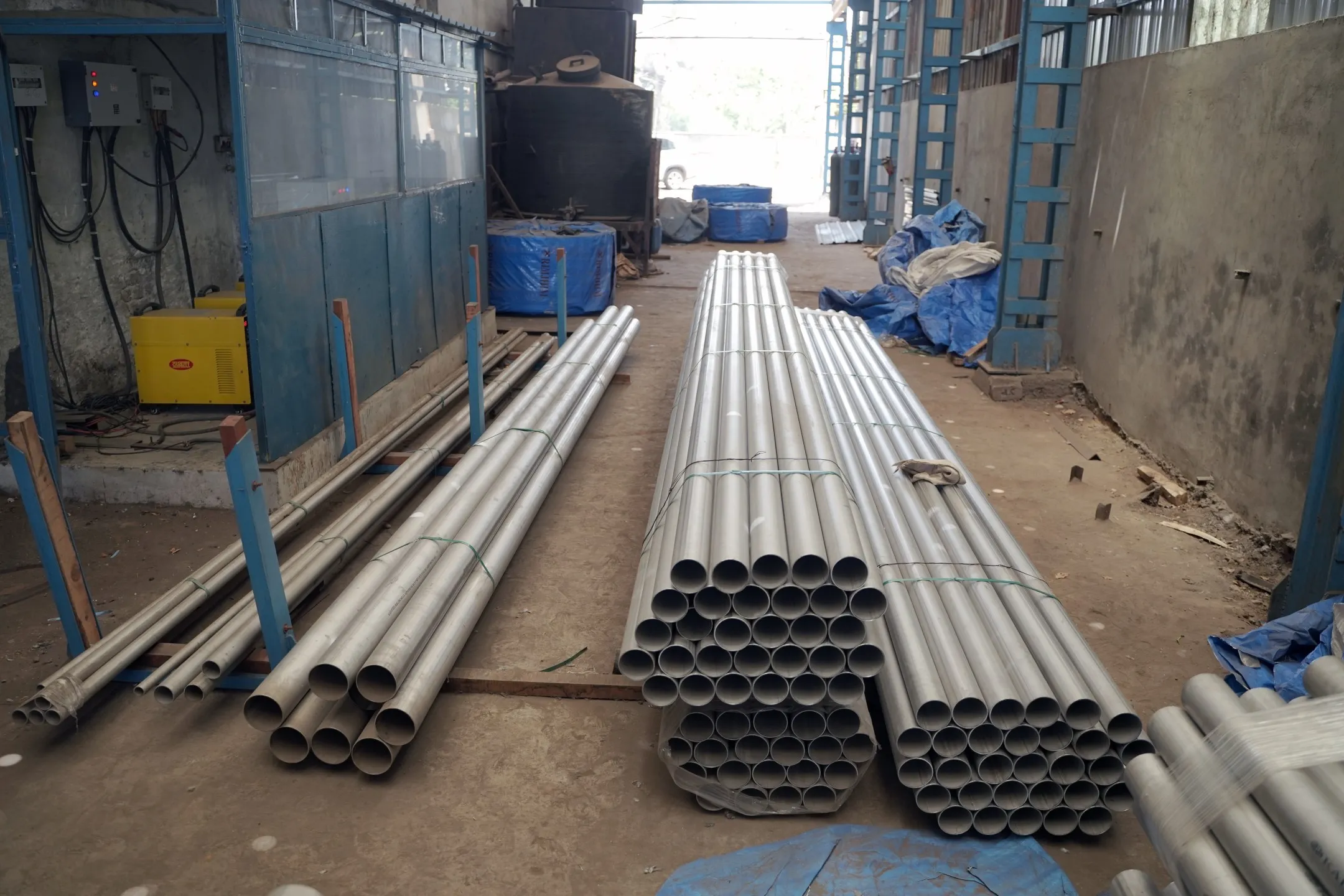
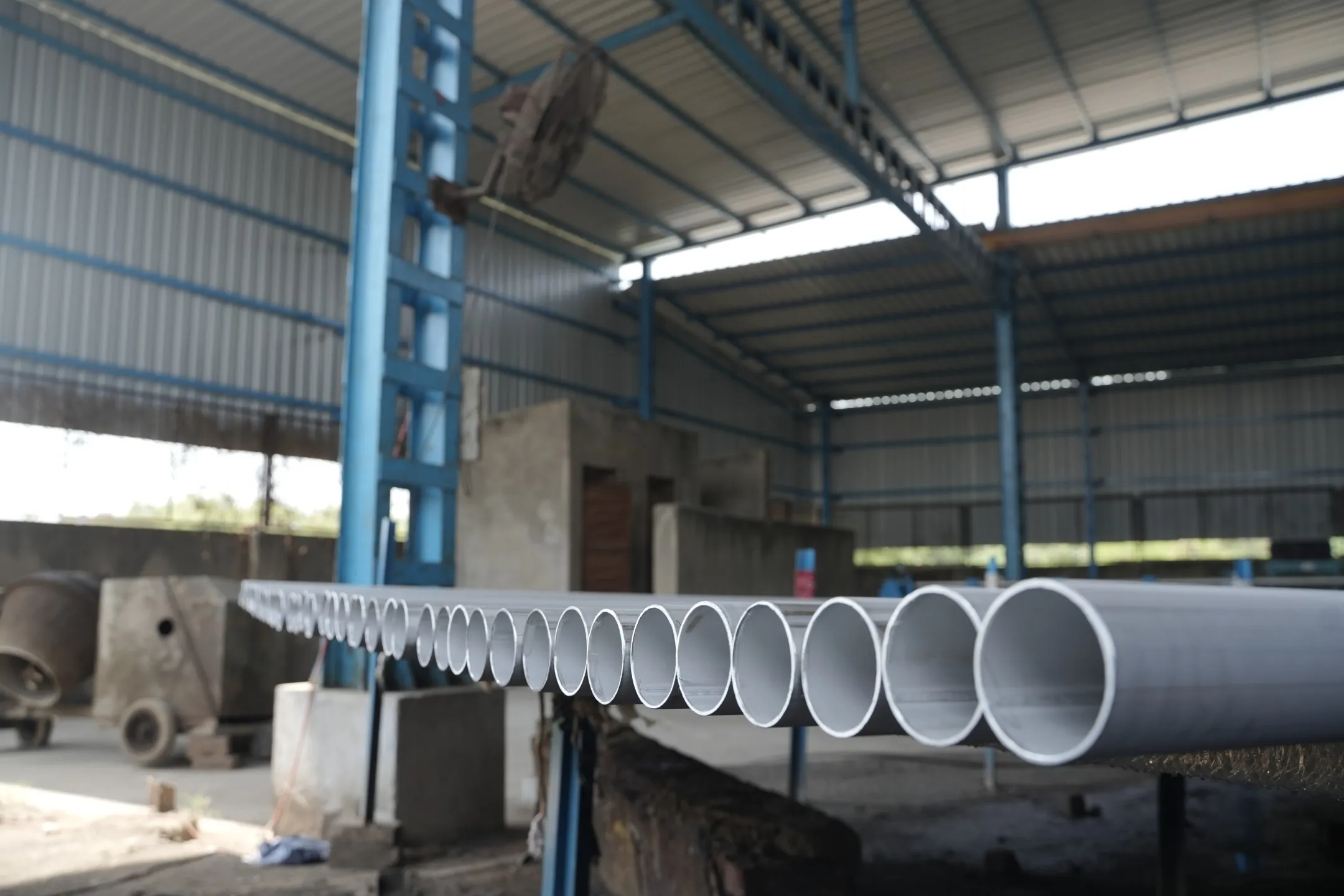
The most common reason an SS pipe feels lighter is reduced wall thickness. Pipes are manufactured according to different schedules (such as Schedule 10, 40, 80, etc.). A lower schedule means thinner walls, which directly reduces weight while maintaining the same outer diameter.
- Thinner wall = Less material = Lighter pipe
- Often used in applications where high pressure resistance is not required
2. Differences in Steel Grade
Not all stainless steel is the same. Pipes made from different grades (like 202, 304, or 316) can have slight variations in density and composition. While the weight difference per pipe may be small, it can still be noticeable in bulk or when compared side by side.
- Lower-cost grades sometimes feel lighter due to composition adjustments
- Premium grades may feel slightly heavier due to higher alloy content
3. Manufacturing Techniques
Modern manufacturing methods allow for more precision and material optimization. Advanced rolling and welding technologies can produce pipes that maintain strength with less material.
- Cold-rolled or precision-welded pipes may use optimized material distribution
- Improved efficiency leads to lighter yet reliable pipes
4. Hollow Section Design Efficiency
Pipes are hollow by design, but how efficiently the material is distributed across the cross-section impacts weight. High-quality manufacturers ensure uniform thickness without unnecessary excess material.
- Better engineering = Reduced weight without compromising strength
5. Tolerance and Standard Compliance
Industry standards allow certain tolerances in dimensions and weight. Some manufacturers produce pipes at the lower end of the permissible thickness range, resulting in lighter products.
- Still within standards, but noticeably lighter
- Important to verify compliance with relevant specifications
6. Surface Finish and Processing
Polishing, pickling, and finishing processes can remove minor amounts of material. While this does not drastically change weight, it can contribute slightly to the overall feel.
7. Cost Optimization
In some cases, lighter pipes are intentionally produced to reduce material costs. While this can be beneficial for budget-sensitive projects, it is essential to ensure that the pipes still meet the required strength and safety standards.
Conclusion
A lighter SS pipe is not necessarily inferior—but it does require careful evaluation. Factors like wall thickness, grade, and manufacturing quality all play a role. At KAD STEEL ROLLING MILLS, we prioritize transparency, quality compliance, and performance to ensure that every pipe we supply meets the right balance of strength, durability, and efficiency.
If you’re unsure which type of SS pipe is best suited for your application, our team is always ready to guide you with expert advice and reliable solutions.
