
When buyers search for an SS 304 pipe weight chart, they are usually preparing for project estimation, cost calculation, tender submission, or bulk procurement. In stainless steel purchasing, weight accuracy directly impacts pricing, logistics, and structural safety.
At KAD STEEL ROLLING MILLS, weight precision is treated as a technical commitment, not just a calculation. Accurate theoretical and actual weights ensure transparent billing, structural reliability, and fair commercial transactions.
This guide provides a complete understanding of SS 304 pipe weight calculation, standard reference charts, and how serious buyers should use them.
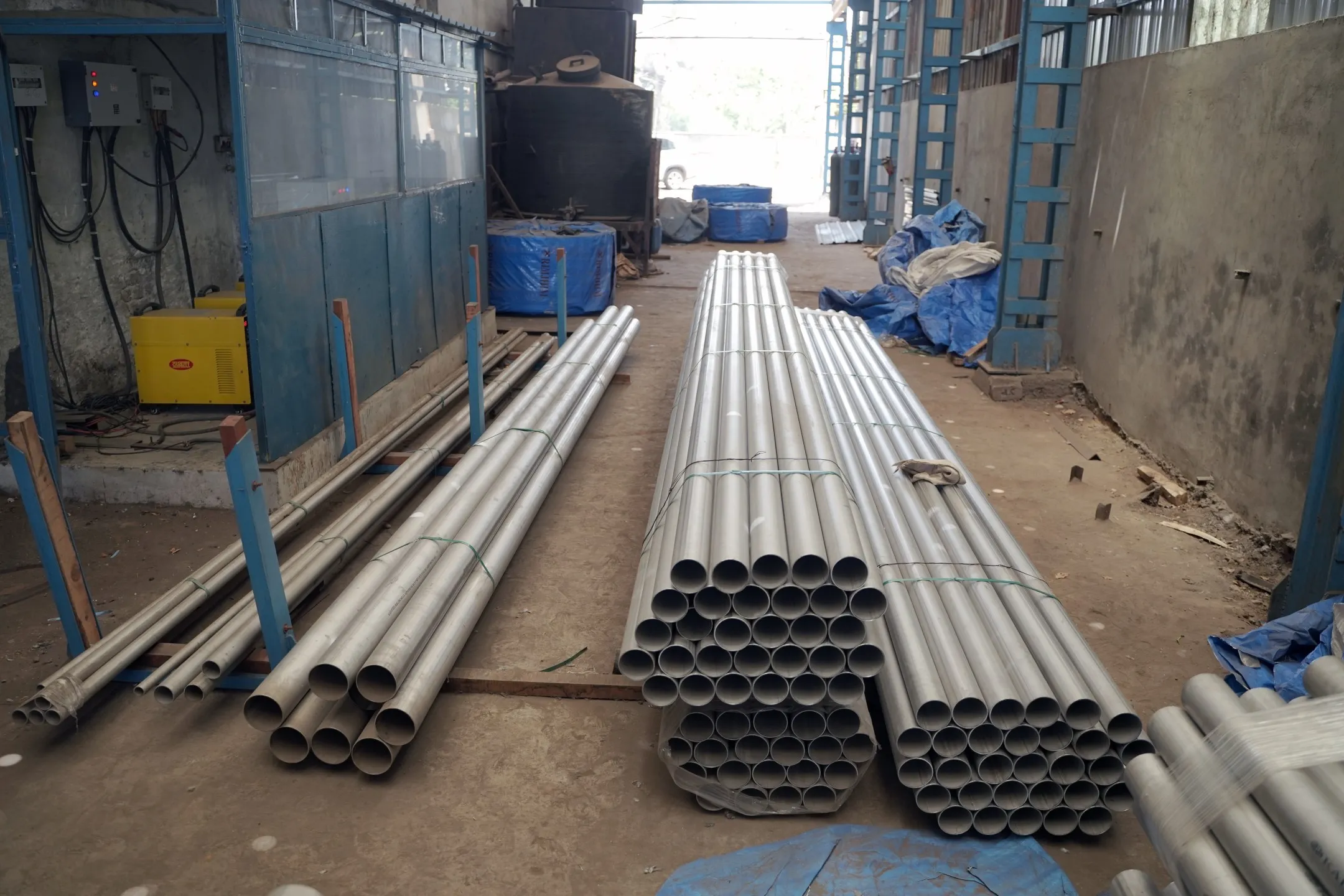
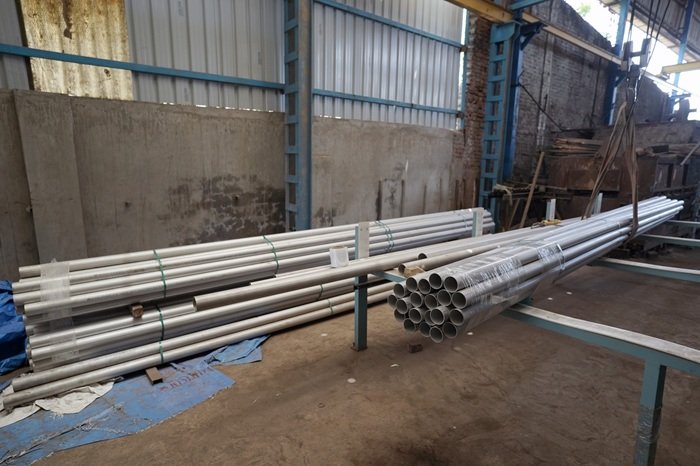

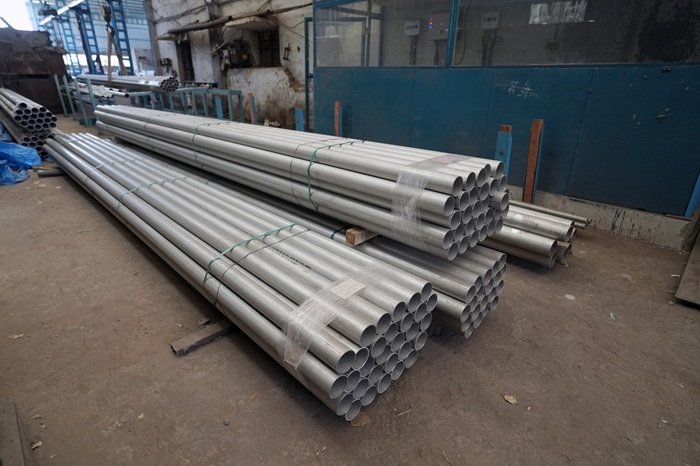
Why SS 304 Pipe Weight Is Critical
SS 304 pipes are sold per kilogram. Therefore, weight determines:
-
Total material cost
-
Transport and freight charges
-
Structural load calculations
-
Fabrication planning
-
Inventory management
In large industrial projects, even a small variation in weight percentage can significantly affect overall project budgets.
Standard Formula for SS 304 Pipe Weight Calculation
The theoretical weight of SS 304 pipe is calculated using stainless steel density.
Weight (kg per meter) = (OD − Thickness) × Thickness × 0.02466
Where:
-
OD = Outer Diameter in millimeters
-
Thickness = Wall thickness in millimeters
-
0.02466 = Material constant based on stainless steel density
This formula provides weight per running meter.
For total weight:
Total Weight = Weight per meter × Total length (meters)
SS 304 Pipe Weight Chart (Common Industrial Sizes)
Below is a standard reference chart used for welded SS 304 round pipes.
| Outer Diameter (mm) | Thickness (mm) | Weight (kg/m approx.) |
|---|---|---|
| 21.34 | 2.0 | 0.96 |
| 21.34 | 2.5 | 1.17 |
| 26.67 | 2.0 | 1.23 |
| 26.67 | 2.5 | 1.51 |
| 33.40 | 2.0 | 1.55 |
| 33.40 | 3.0 | 2.25 |
| 42.16 | 2.5 | 2.39 |
| 42.16 | 3.0 | 2.83 |
| 48.26 | 2.5 | 2.75 |
| 48.26 | 3.0 | 3.27 |
| 60.33 | 3.0 | 4.10 |
| 73.03 | 3.0 | 4.98 |
Note: Actual weight may vary slightly depending on manufacturing tolerance and finishing process.
Understanding Tolerance and Actual Weight
Professional buyers must understand the difference between:
-
Theoretical weight (formula-based)
-
Actual dispatch weight (measured weight)
Industrial standards allow small tolerances in thickness. Negative tolerance reduces weight and may affect structural strength. Therefore, buyers should always:
-
Verify thickness tolerance
-
Confirm actual weighment
-
Cross-check with Mill Test Certificate
Reliable manufacturers maintain controlled tolerances to ensure consistent supply.
Welded vs Seamless Pipe Weight
The calculation formula remains the same for both types. However:
-
Seamless pipes may have tighter dimensional control
-
Welded pipes are more common in structural applications
-
Slight variation in weight can occur due to production method
For pressure applications, seamless pipes are preferred. For fabrication and structural use, welded pipes are widely used.
How Buyers Use the Weight Chart in Real Projects
1. Cost Estimation
Since pricing is per kg:
Total Cost = Total Weight × Price per kg
Example:
If required quantity = 3,000 kg
Rate = ₹215 per kg
Total cost = ₹6,45,000
Accurate weight prevents underestimation in tenders.
2. Structural Engineering
Engineers calculate:
-
Support spacing
-
Load-bearing capacity
-
Dead load on structures
Incorrect weight assumptions may compromise design safety.
3. Logistics Planning
Weight per meter helps determine:
-
Truck capacity
-
Loading requirements
-
Handling equipment
Common Buyer Mistakes in Weight Calculation
-
Confusing nominal pipe size (NPS) with outer diameter
-
Ignoring thickness tolerance
-
Using approximate values without verification
-
Not confirming actual dispatch weight
Professional procurement always involves formula verification before issuing purchase orders.
Extended Applications of SS 304 Pipes
SS 304 pipes are widely used in:
-
Food processing industries
-
Pharmaceutical plants
-
Chemical processing systems
-
Water treatment facilities
-
Structural fabrication projects
-
Architectural frameworks
-
Industrial process pipelines
Because of its 18% chromium and 8% nickel composition, SS 304 offers strong corrosion resistance and long service life in most industrial environments.
Why Accurate Weight Charts Build Manufacturer Credibility
A manufacturer’s credibility is reflected in:
-
Transparent weight calculations
-
Proper tolerance control
-
Certified material composition
-
Consistent dispatch weight
When weight accuracy matches invoice weight, it builds long-term buyer trust.
We focuses on precision manufacturing standards to ensure that theoretical and actual weights align closely with industry norms, supporting fair pricing and reliable performance.
Final Buyer Insight
An SS 304 pipe weight chart is not just a reference table. It is a critical technical tool for:
-
Budget accuracy
-
Structural safety
-
Transparent billing
-
Efficient procurement
Before placing large orders, always confirm:
-
OD and thickness specifications
-
Theoretical weight
-
Tolerance limits
-
Actual dispatch weight
Accurate weight knowledge protects both your project and your investment.
